
Chennaii14-09-26: A traditional Agraharam, popularly described as the “WiFi House,” at DakshinaChitra Heritage Museum offers visitors a fascinating glimpse into the social life, architecture and community traditions of an earlier era in Tamil Nadu.

The Agraharam, representing a traditional Brahmin settlement, is among the heritage houses preserved at DakshinaChitra to provide visitors with an understanding of how people lived, interacted and organised their everyday lives in the past.
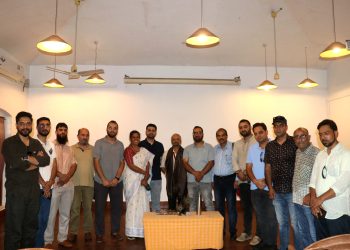
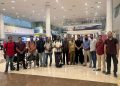
During the visit, Lakuma, Curator at DakshinaChitra, guided the media delegation through the Agraharam and explained its architectural features as well as the social practices associated with the traditional house.
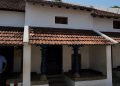
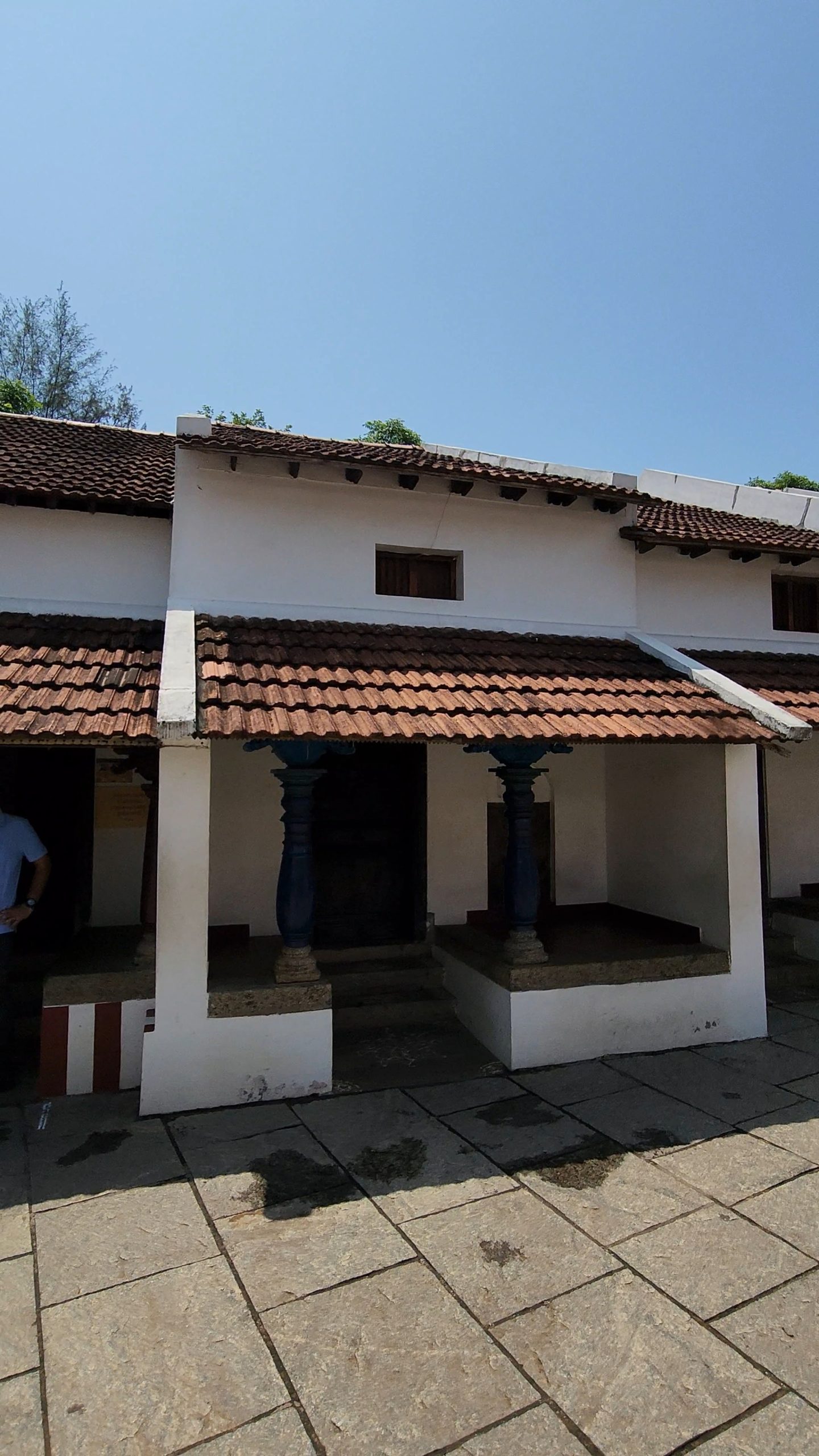
One of the most notable features is the thinnai, a raised seating platform at the front of the house. Traditionally, the thinnai served as an important meeting and interaction space. Family members, neighbours and visitors would gather there, sit together and engage in conversations about everyday life and events in the community.
This social character has earned the Agraharam the informal and relatable description of a “WiFi House”—a place where people were connected through direct human interaction rather than today’s digital networks.
The Agraharam reflects a time when community life was deeply woven into the design of the home. Houses were not simply private spaces but also places where relationships were built, news was exchanged and neighbours remained connected.
The traditional house at DakshinaChitra represents a Brahmin house from Ambur village in the Tirunelveli district of Tamil Nadu. Its long and narrow design, courtyards and functional spaces provide an insight into the architectural practices and domestic life of the period.
The original house included courtyards used for different household activities, including space for cattle, while other areas were connected with everyday practices and the surrounding environment. Upper portions of the house were traditionally used for sleeping, drying and storage.
The Agraharam is therefore significant not only as an example of traditional Tamil architecture but also as a reflection of a community-oriented way of life, where physical spaces encouraged social interaction and collective living.
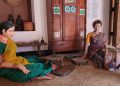
The visit was part of a Press Information Bureau (PIB) media tour, during which journalists explored DakshinaChitra’s traditional houses, crafts, weaving traditions, religious art and folk performances.
The Agraharam provides a striking reminder that while today’s world is connected through smartphones and the internet, earlier generations had their own form of connectivity—the shared spaces of their homes, neighbourhoods and communities.