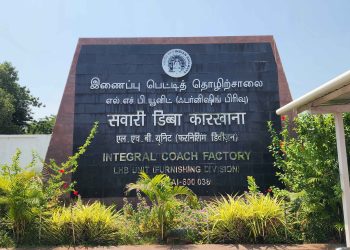

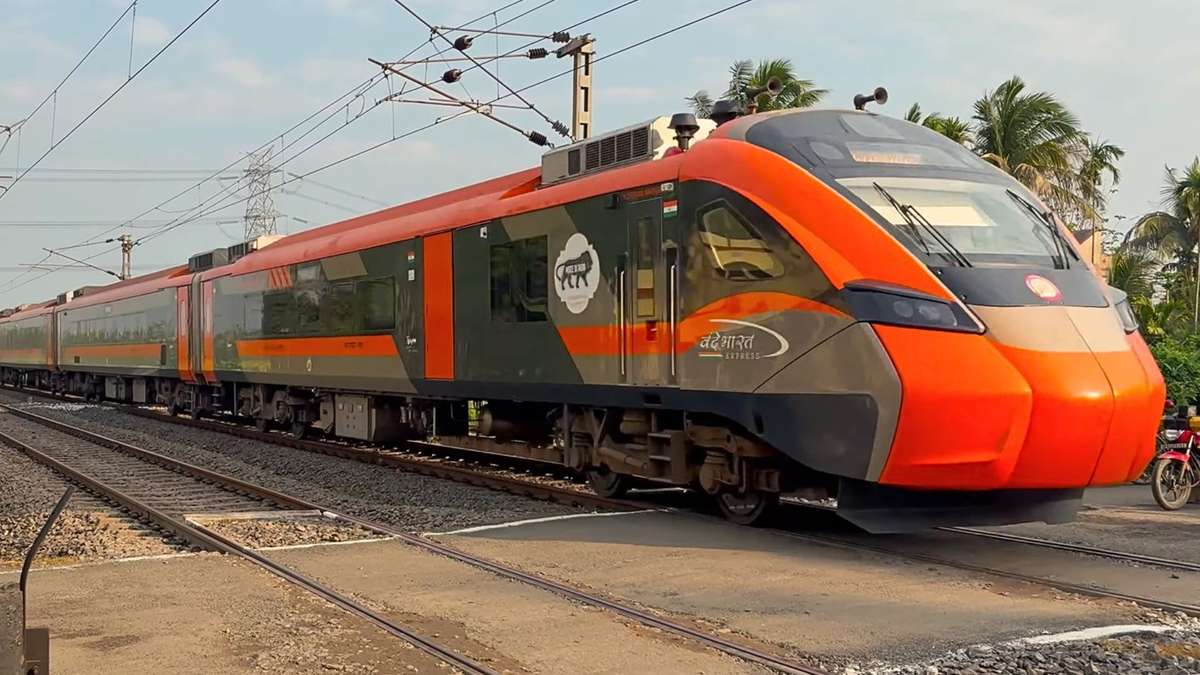
Chennai, September 17: As Vande Bharat prepares to operate through the challenging winter conditions of Jammu and Kashmir, engineers at the Integral Coach Factory (ICF), Perambur, have incorporated specialised features aimed at addressing two key challenges of the region—poor visibility in fog and freezing temperatures.

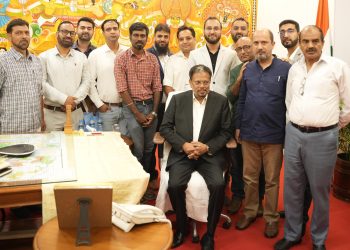
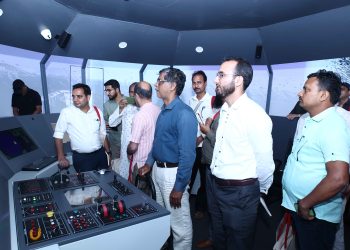
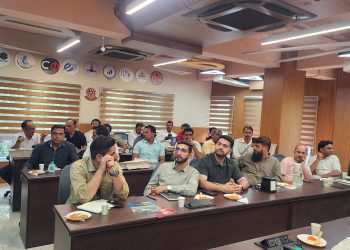
The J&K-specific engineering features were explained to Binyamin Shora, of Daily Roshni, during his visit to ICF as part of the PIB Srinagar-organised media tour. The briefing was given by Saravana Murthy, WML Trigal, Production, who oversees the production of distributed-power rolling stock including Vande Bharat, Kolkata Metro, EMU and MEMU.
Two Special Adaptations for J&K
According to the ICF briefing, two major coach-level differences have been incorporated into the Vande Bharat rake intended for J&K operations.
The first is an enhanced defogging arrangement for the lookout glass at the train’s nose/leading and trailing ends.
Jammu and Kashmir experiences periods of dense fog and sub-zero temperatures during winter. Under such conditions, maintaining a clear view from the driver’s cab becomes particularly important. The stronger defogger is designed to prevent fogging of the lookout glass and maintain a clear line of sight for the driver.
The second adaptation addresses another challenge posed by freezing temperatures—the possibility of water freezing in the train’s water lines.
Heating System to Keep Water Lines Ice-Free
For the J&K Vande Bharat rake, ICF has provided additional heating elements or heating pads in the underframe area, along with thermal insulation.
The arrangement is intended to prevent water in the relevant lines from freezing when the train operates in sub-zero temperatures.
The ICF engineer explained that the provision becomes important because freezing of water lines could affect the availability of water onboard. The heating arrangement therefore helps maintain the functionality of the water system even in extremely cold conditions.
Snow Clearance Remains Part of Railway Operations
The briefing also clarified that the responsibility for clearing snow and ice debris from railway tracks rests with railway operations.
While ICF incorporates climate-specific features into the coach, railway operating teams undertake the necessary track-management measures to deal with snow and ice during winter operations.
The earlier experience of operating DEMU (Diesel Electric Multiple Unit) trains in J&K was also referred to during the interaction. Snow-protection arrangements around the front/nose area had been used to help deal with accumulated snow and ice.
Engineering a Train for Kashmir’s Climate
The J&K Vande Bharat therefore represents more than the deployment of a high-speed train on a new route; it also illustrates how railway equipment can be adapted to the operating environment in which it will run.
The two highlighted coach-level provisions—enhanced defogging for driver visibility and underframe heating to prevent freezing of water lines—are designed around practical challenges posed by the region’s winter climate.
For passengers, these systems may remain largely unseen. But behind the comfort and performance of the train lies a layer of specialised engineering intended to ensure that critical systems continue functioning when temperatures plunge below freezing.
From Chennai’s Factory Floor to Jammu & Kashmir
The details emerged during the Jammu and Kashmir media delegation’s visit to Integral Coach Factory, Perambur, on the fourth day of the PIB Srinagar-organised media tour.
The interaction with ICF engineers provided the visiting journalists a first-hand understanding of the technology and manufacturing considerations behind modern Indian trainsets—and, in particular, how the requirements of a geographically and climatically challenging region such as Jammu and Kashmir are being taken into account.